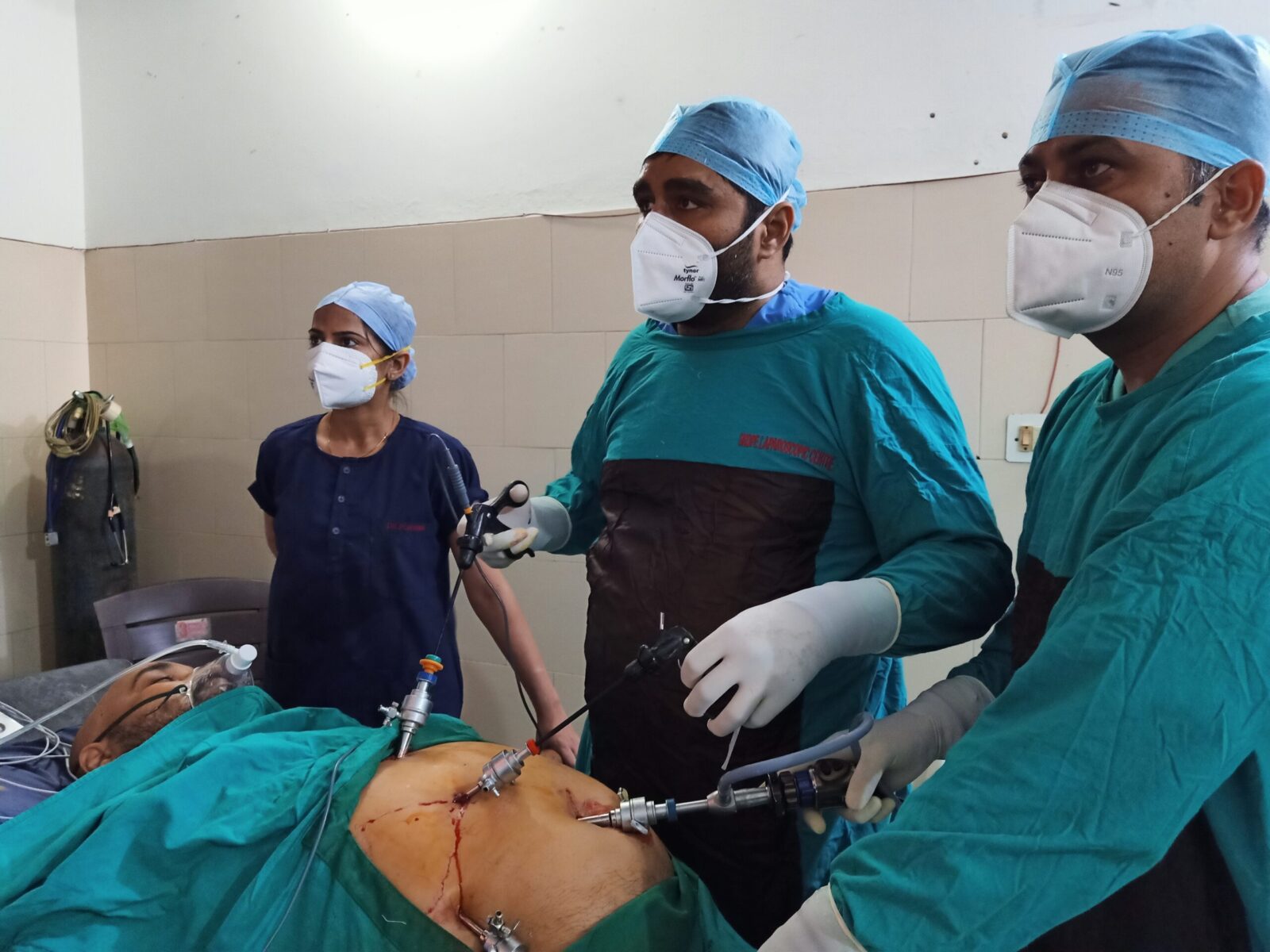
The Journey to Better Health: Understanding Bariatric Surgery
In recent years, bariatric surgery has become an increasingly popular option for individuals struggling with obesity and its related health conditions. For many, this form of weight-loss surgery offers more than just a solution for shedding pounds — it’s a pathway to a healthier, longer life. However, before deciding whether bariatric surgery is right for you, it’s important to fully understand what it entails, the potential benefits, and the risks involved.
What is Bariatric Surgery?
Bariatric surgery refers to a variety of surgical procedures designed to help people with severe obesity lose weight by making changes to the digestive system. These procedures aim to limit the amount of food you can eat or reduce the absorption of nutrients, or both. Common types of bariatric surgery include:
Why Consider Bariatric Surgery?
Bariatric surgery is typically recommended for individuals who have not been able to lose weight through diet, exercise, and other non-surgical methods. It’s often considered for people with:
- A body mass index (BMI) of 40 or higher, or
- A BMI of 35 or higher with obesity-related health issues, such as type 2 diabetes, sleep apnea, or high blood pressure.
For those who qualify, bariatric surgery can be life-changing. Studies show that it can lead to significant and sustained weight loss, as well as improvements in or remission of various obesity-related health conditions.
The Benefits of Bariatric Surgery
The Road to Surgery: What You Need to Know
If you’re considering bariatric surgery, the journey typically begins with a consultation with a bariatric surgeon. The surgeon will evaluate your medical history, weight loss goals, and readiness for surgery. It’s also likely that you’ll need to undergo:
- Medical evaluations to assess your overall health and any underlying conditions.
- Nutritional counseling to help you understand the dietary changes required before and after surgery.
- Psychological evaluations to determine if you’re emotionally and mentally prepared for the changes that come with surgery.
After surgery, there’s a commitment to lifelong follow-up care, which may include regular visits with a nutritionist, support groups, and ongoing medical monitoring. Success after surgery depends on making lasting lifestyle changes, such as eating healthy foods in smaller portions and maintaining a regular exercise routine.
Is Bariatric Surgery Right for You?
Deciding whether bariatric surgery is the right choice for you is a deeply personal decision that should be made in consultation with your healthcare provider. It’s important to weigh the potential benefits against the risks and to consider whether you’re prepared for the lifestyle changes that come after surgery.
For many, bariatric surgery offers an opportunity to not only lose weight but to regain control over their health and their life. It’s a powerful tool in the fight against obesity, and when combined with a commitment to healthier habits, it can lead to a brighter, more fulfilling future.